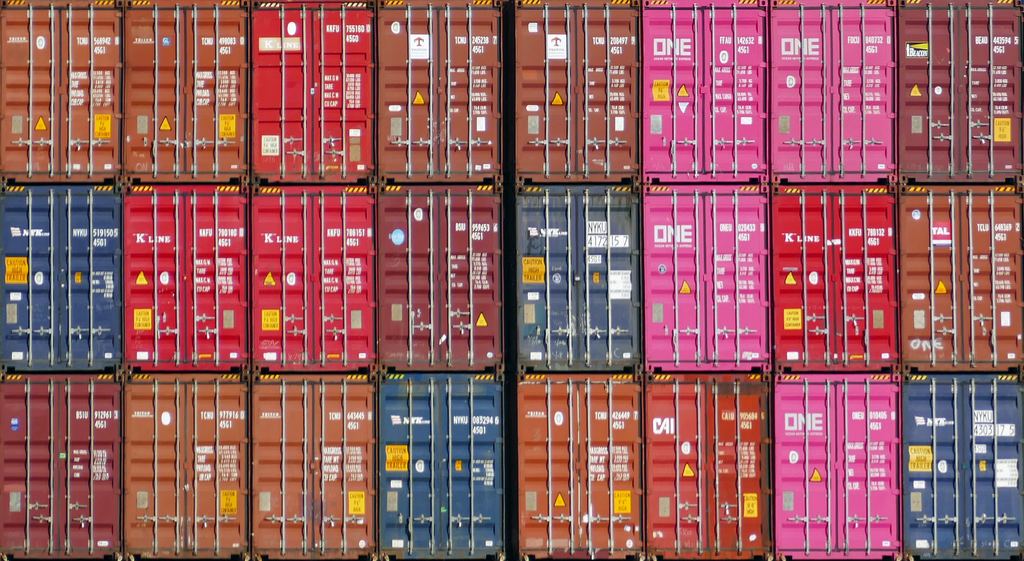
Welcome to Beyond Borders, One Container at a Time! This blog is your ultimate resource for exploring the fascinating world where military, commercial, and residential shipping intersect. Discover the versatility and practicality of shipping containers as we delve into their various applications, from military operations to commercial ventures and even residential living. Join us on this journey as we uncover the endless possibilities of these robust steel structures.
1. New and Used Steel Mobile Watertight Shelters:
Explore the world of new and used steel mobile watertight shelters, commonly known as shipping containers. Learn about the durability and resilience of these structures, designed to withstand the harshest environments and protect their contents from the elements. Discover the benefits of using these containers for storage, transportation, and even as alternative housing solutions.
2. Military Applications:
Dive into the military applications of shipping containers. Discover how these containers are transformed into field hospitals, command centers, storage facilities, and more, providing the military with portable and secure spaces. Explore the adaptability of shipping containers to meet the unique needs of military operations, such as rapid deployment and mobility.
3. Commercial Ventures:
Uncover the innovative ways in which shipping containers are used in commercial ventures. From pop-up shops and food stalls to art galleries and office spaces, these versatile structures offer a cost-effective and flexible solution for businesses. Learn about the advantages of using shipping containers in commercial settings, such as their portability, customization options, and sustainability.
4. Residential Living:
Witness the transformation of shipping containers into stylish and functional residential dwellings. Explore the growing trend of container homes and discover how these structures provide affordable and eco-friendly housing solutions. Learn about the design possibilities and challenges of converting shipping containers into comfortable living spaces.
5. Customization and Modification:
Delve into the world of container customization and modification. Explore the options available for transforming shipping containers to suit specific needs, including insulation, plumbing, electrical systems, and interior design. Learn about the architectural and engineering considerations involved in modifying shipping containers for different purposes.
6. Sustainability and Recycling:
Discover the environmental benefits of repurposing shipping containers. Explore how recycling these steel structures reduces waste and promotes sustainable construction practices. Learn about the initiatives and innovations aimed at making container living even more eco-friendly, such as incorporating renewable energy systems and green technologies.
Conclusion:
Beyond Borders, One Container at a Time is your gateway to unlocking the untapped potential of shipping containers. Whether you’re fascinated by their military applications, intrigued by their commercial uses, or inspired by their residential possibilities, this blog will take you on a journey to explore the boundless opportunities these steel mobile watertight shelters offer. Join us as we delve into the world where functionality meets innovation and discover how shipping containers are reshaping industries and challenging traditional notions of construction and design.
- Revolutionizing Shipping Containers with Foam Insulation: Efficiency, Comfort, and Versatility

Shipping containers have become an increasingly popular choice for various applications beyond their original use in cargo transport. From modern homes and offices to pop-up shops and mobile clinics, these steel boxes offer incredible versatility. One critical aspect of transforming shipping containers into functional and comfortable spaces is proper insulation. Foam insulation stands out as a superior solution, offering benefits like enhanced energy efficiency, thermal comfort, and moisture control. This blog post explores how foam insulation can revolutionize shipping containers, discussing its benefits, applications, and practical tips for implementation.
The Growing Popularity of Shipping Containers
Shipping containers have captured the imagination of architects, designers, and innovators due to their durability, affordability, and modularity. They are used in a variety of applications, including:
- Residential Homes: Affordable and eco-friendly housing solutions.
- Commercial Spaces: Offices, cafes, and retail stores.
- Emergency Shelters: Quick and durable solutions for disaster relief.
- Mobile Facilities: Clinics, classrooms, and laboratories on the go.
While shipping containers offer many advantages, one of the main challenges in converting them into habitable spaces is ensuring proper insulation to create a comfortable and energy-efficient environment.
Understanding Foam Insulation
Foam insulation comes in two primary forms: spray foam insulation and rigid foam board insulation. Both types provide superior insulating properties and can be adapted for use in various parts of shipping containers.
Spray Foam Insulation
Spray foam insulation is applied as a liquid that expands into a foam, filling gaps and creating an airtight seal. It is available in two varieties:
- Open-Cell Spray Foam: Less dense and more flexible, effective for soundproofing and thermal insulation in less critical areas.
- Closed-Cell Spray Foam: Denser and more rigid, offering higher R-value and moisture resistance, making it ideal for areas exposed to harsher conditions.
Rigid Foam Board Insulation
Rigid foam board insulation consists of pre-formed boards made from materials such as polystyrene, polyisocyanurate, or polyurethane. These boards provide high insulating values and are commonly used in larger, flat surfaces where they can be securely fitted.
Benefits of Foam Insulation for Shipping Containers
Foam insulation offers several advantages that enhance the performance and usability of shipping container structures:
Superior Thermal Comfort
Maintaining a stable and comfortable temperature inside a shipping container can be challenging due to its metal construction, which conducts heat and cold efficiently. Foam insulation provides excellent thermal resistance, helping to regulate indoor temperatures.
Example: Insulating the walls and roof of a shipping container home with closed-cell spray foam helps keep the interior warm in the winter and cool in the summer, ensuring year-round comfort for occupants.
Effective Soundproofing
Open-cell spray foam is particularly effective at absorbing sound, making it an excellent choice for interior applications where noise reduction is important. This is especially beneficial in urban environments or commercial settings.
Example: Applying open-cell spray foam insulation to the walls and ceiling of a container office significantly reduces noise transmission, creating a quieter and more productive work environment.
Enhanced Energy Efficiency
Foam insulation’s high R-value per inch means it provides superior thermal resistance, reducing the need for heating and cooling and leading to significant energy savings. This is particularly important for shipping containers converted into homes or offices.
Example: A shipping container insulated with spray foam experiences lower energy consumption, resulting in reduced utility bills and a smaller environmental footprint.
Moisture Control and Mold Prevention
Closed-cell spray foam insulation acts as a moisture barrier, preventing water infiltration and reducing the risk of mold and mildew growth. This is crucial for maintaining a healthy and durable living or working space.
Example: Insulating a container used as a mobile clinic with closed-cell spray foam ensures the interior remains dry and free from mold, protecting both the equipment and the health of patients.
Increased Structural Integrity
Closed-cell spray foam adds rigidity to walls and roofs, enhancing the structural integrity of the container. This can be especially beneficial in areas prone to high winds, earthquakes, or other severe weather conditions.
Example: A shipping container converted into an emergency shelter with closed-cell spray foam insulation is better equipped to withstand harsh conditions, ensuring safety and durability.
Applications of Foam Insulation in Shipping Containers
Foam insulation can be applied in various parts of a shipping container to enhance performance and comfort:
Walls
Both spray foam and rigid foam board insulation can be used in the walls of shipping containers to create a well-insulated building envelope. Spray foam is particularly effective in sealing gaps and cracks, while rigid foam boards provide continuous insulation and reduce thermal bridging.
Example: Insulating the walls of a container home with spray foam not only improves thermal comfort but also enhances soundproofing, creating a peaceful and energy-efficient living space.
Roofs and Ceilings
Insulating the roof and ceilings with foam insulation helps maintain consistent temperatures throughout the container and prevents heat loss during winter and heat gain during summer. Spray foam can be applied directly to the underside of the roof deck, creating an airtight seal and enhancing energy efficiency.
Example: An attic space within a multi-level container structure stays warm in winter and cool in summer with spray foam insulation, providing a comfortable and usable area year-round.
Floors
Foam insulation can be applied to the floors of shipping containers to provide additional thermal insulation and moisture protection. This is particularly important in areas with cold climates or high humidity.
Example: Insulating the floors of a container classroom with rigid foam boards ensures a warm and comfortable environment for students, even in colder weather.
Exterior Applications
Rigid foam board insulation can be installed on the exterior of a shipping container to create a continuous insulation layer. This method reduces thermal bridging and enhances the overall energy efficiency of the structure.
Example: A shipping container cafe with rigid foam board insulation on its exterior walls boasts improved energy performance and reduced heat loss, contributing to lower utility bills and a more comfortable indoor environment.
Practical Tips for Implementing Foam Insulation in Shipping Containers
To maximize the benefits of foam insulation in shipping containers, it’s important to follow best practices and ensure proper installation:
Choose the Right Type of Foam
Select the appropriate type of foam insulation based on the specific needs of the container project. Open-cell spray foam is ideal for interior applications and soundproofing, while closed-cell spray foam and rigid foam boards are better suited for areas requiring high R-values and moisture resistance.
Tip: Consult with a professional insulation contractor to determine the best type of foam insulation for your shipping container project.
Ensure Proper Installation
Proper installation is crucial for maximizing the benefits of foam insulation. Hire experienced and certified installers who understand the intricacies of applying spray foam and installing rigid foam boards in shipping containers.
Tip: Request references and check reviews to find reputable insulation contractors with a proven track record of quality work in container projects.
Plan for Ventilation
While foam insulation creates an airtight seal, proper ventilation is still necessary to maintain indoor air quality. Plan for adequate ventilation systems to prevent issues related to air quality and moisture.
Tip: Consider installing mechanical ventilation systems, such as heat recovery ventilators (HRVs), to ensure a healthy indoor environment.
Real-World Examples of Foam Insulation in Shipping Containers
Modern Container Home
A modern container home in Texas was insulated using closed-cell spray foam in the walls, roof, and floors. The transformation resulted in improved thermal comfort, reduced energy costs, and enhanced indoor air quality. The homeowners appreciated the added soundproofing, which created a quieter living environment.
Container Office Space
A container office space in New York City used open-cell spray foam insulation in its interior walls and ceilings to reduce noise levels and improve temperature control. This application provided superior soundproofing, ensuring a quiet and productive work environment. The insulation also improved the office’s energy efficiency, making it a desirable and cost-effective workspace.
Pop-Up Container Shop
A pop-up shop in California, built from a shipping container, was insulated with rigid foam boards on its exterior walls and closed-cell spray foam on the interior. This approach ensured superior energy efficiency and moisture resistance, keeping the shop comfortable and reducing operational costs.
Conclusion
Foam insulation is a transformative tool for enhancing the performance, comfort, and efficiency of shipping containers. By providing superior thermal regulation, noise reduction, and moisture control, foam insulation significantly improves the usability and longevity of container structures. Whether used in homes, offices, shops, or mobile facilities, foam insulation offers long-lasting benefits that enhance the overall functionality and appeal of shipping containers. As the demand for innovative, energy-efficient living and working spaces continues to grow, foam insulation will play a crucial role in shaping the future of container-based design and construction.
- Concrete Innovations: Revolutionizing Container Shipping

In the world of global trade, container shipping stands as a vital artery, transporting goods across oceans and continents with remarkable efficiency. Traditionally, the shipping industry has relied on steel for the construction of shipping containers. However, concrete is emerging as a surprising yet promising alternative, bringing a new dimension to container shipping. This blog post explores the role of concrete in revolutionizing container shipping, its advantages, innovative applications, and the potential impact on the future of global trade.
The Emergence of Concrete in Container Shipping
Concrete is not the first material that comes to mind when thinking about shipping containers. Historically, steel has been the material of choice due to its strength and durability. However, advancements in concrete technology have opened up new possibilities, making it a viable option for constructing shipping containers.
Advantages of Concrete in Container Shipping
Concrete offers several benefits that could transform the container shipping industry:
Durability and Longevity: Concrete is known for its exceptional durability and resistance to harsh environmental conditions. Unlike steel, concrete does not rust or corrode, making it ideal for maritime environments where exposure to saltwater and moisture is constant.
Thermal Insulation: Concrete has excellent thermal insulation properties, which can be advantageous for transporting goods that require stable temperatures. This natural insulation can reduce the need for additional cooling or heating, leading to energy savings and improved efficiency.
Fire Resistance: Concrete’s inherent fire resistance enhances the safety of shipping containers. In the event of a fire, concrete containers are less likely to collapse or release toxic fumes compared to steel containers, providing better protection for the goods inside.
Sustainability: The production of concrete can incorporate recycled materials, such as fly ash and slag, reducing the environmental impact. Additionally, concrete’s long lifespan means fewer resources are needed for repairs and replacements, contributing to sustainability in the shipping industry.
Innovative Applications of Concrete in Container Shipping
The use of concrete in container shipping is still in its early stages, but several innovative applications and pilot projects are demonstrating its potential.
Concrete Shipping Containers
Concrete shipping containers are being developed as a robust alternative to traditional steel containers. These containers are designed to meet the same dimensional standards as steel containers, ensuring compatibility with existing shipping infrastructure.
Example: A pilot project in Europe is testing the feasibility of using concrete containers for short-sea shipping routes. The containers are reinforced with fiber to enhance their strength and reduce weight, making them suitable for maritime transport.
Floating Concrete Structures
Concrete’s buoyancy and strength make it suitable for constructing floating structures used in the shipping industry. These structures can include floating docks, piers, and storage platforms, providing stable and durable solutions for ports and harbors.
Example: A port in Asia has implemented floating concrete docks to accommodate large container ships. The concrete docks provide a stable platform for loading and unloading containers, even in rough sea conditions.
Reinforced Concrete for Container Yards
Concrete is increasingly being used in the construction of container yards and storage areas. Reinforced concrete pavements can withstand the heavy loads of stacked containers and the constant movement of cranes and trucks.
Example: A major shipping terminal in North America has upgraded its container yard with reinforced concrete pavements. The new pavements are designed to support high traffic volumes and reduce maintenance costs over time.
Challenges and Considerations
While concrete presents several advantages for container shipping, there are also challenges and considerations to address:
Weight: Concrete is inherently heavier than steel, which can impact the overall weight of shipping containers and affect fuel efficiency. Innovative solutions, such as using lightweight concrete or reinforcing with fibers, are being explored to mitigate this issue.
Cost: The initial cost of producing concrete containers may be higher than steel containers. However, the long-term benefits of durability, reduced maintenance, and sustainability could offset the initial investment.
Standards and Regulations: The shipping industry is governed by strict standards and regulations. Ensuring that concrete containers meet these standards and are accepted by regulatory bodies is crucial for widespread adoption.
The Future of Concrete in Container Shipping
The integration of concrete into the container shipping industry has the potential to drive significant advancements in sustainability, efficiency, and safety. Here are some future trends and developments to watch for:
Advanced Concrete Technologies
Advancements in concrete technology, such as the development of high-strength and lightweight concrete, will continue to enhance the viability of concrete containers. Innovations in 3D printing and prefabrication could also streamline the production process and reduce costs.
Example: Researchers are exploring the use of 3D printing to manufacture concrete containers with complex geometries and integrated features, improving their functionality and performance.
Hybrid Containers
Hybrid containers that combine concrete with other materials, such as composites or polymers, could offer the best of both worlds. These containers can leverage the durability and fire resistance of concrete while reducing weight and enhancing flexibility.
Example: A prototype hybrid container combines a concrete shell with a lightweight polymer interior, providing durability without significantly increasing weight.
Sustainable Shipping Practices
The use of concrete in container shipping aligns with the broader trend towards sustainability in the shipping industry. As companies and regulators push for greener practices, concrete containers could play a key role in reducing the environmental footprint of global trade.
Example: Shipping companies are exploring the use of concrete containers as part of their sustainability initiatives, aiming to reduce carbon emissions and promote circular economy principles.
Conclusion
Concrete is poised to revolutionize the container shipping industry, offering a range of benefits that enhance durability, safety, and sustainability. While there are challenges to overcome, the potential advantages of concrete containers and structures are significant. As technology advances and more pilot projects demonstrate the feasibility of concrete in shipping, this material could become a cornerstone of modern maritime transport. Embracing concrete innovations in container shipping not only supports the efficiency and resilience of global trade but also contributes to a more sustainable future for the industry.
- Navigating Through The Concrete Seas: The Robust Backbone of Container Shipping
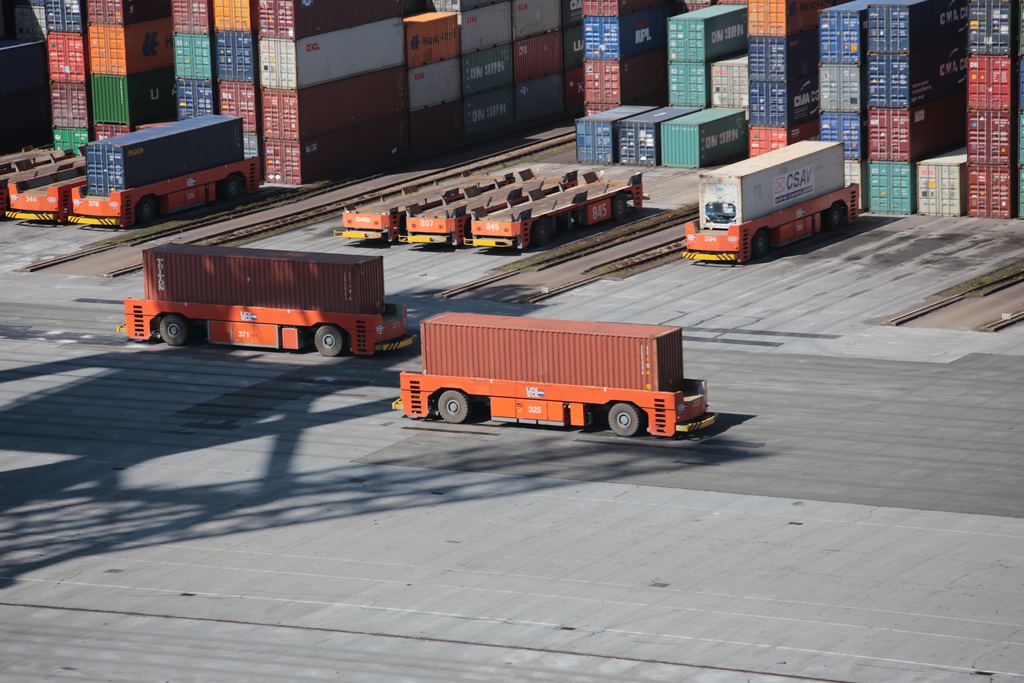
The Tides of Global Trade: Container Shipping
The bustling industry of container shipping serves as the artery of global trade, ensuring the seamless movement of goods across the expansive oceans, connecting markets, and facilitating international commerce.
The Hidden Pillar: Concrete Wall Builders in Ports
The unsung heroes of the maritime industry, concrete wall builders, provide an immovable foundation for ports and harbors, ensuring that the literal and metaphorical walls of these pivotal transit points stand firm against the battering of time and tide.
Fostering Structural Integrity: The Role of a Concrete Contractor Company
Understanding the fundamental role of a concrete contractor company in crafting resilient infrastructures within ports is crucial. These specialized companies intertwine precision and durability, creating structures that bear the weight of massive containers and the rigors of incessant activity.
From Ports to Vessels: Concrete Construction Services
Concrete construction services not only fortify port structures but also play a pivotal role in crafting robust components of ships and containment areas, ensuring that the vessels that sail the concrete seas are equipped to withstand the myriad challenges of maritime transport.
Interlacing Strength with Global Connections: Concrete and Shipping
As containers traverse the vast oceans, the unequivocal strength and stability provided by meticulously crafted concrete structures safeguard not only the goods being transported but also the intricate web of global trade, symbolizing a symphony of strength and connectivity.
©2023 Maritime Chronicles. All Rights Reserved.
- Container Shipping: Revolutionizing Global Trade and Logistics

Container shipping has revolutionized the way goods and materials are transported around the world. From massive cargo ships traversing the seas to intermodal transportation systems seamlessly moving containers across land, container shipping has become the backbone of global trade and logistics. In this blog post, we will delve into the world of container shipping, exploring its benefits, processes, and impact on various industries.
1. The Birth of Containerization:
Containerization, the practice of transporting goods in standardized containers, emerged in the mid-20th century and quickly gained popularity due to its efficiency and cost-effectiveness. Before containerization, goods were typically loaded and unloaded individually, leading to time-consuming processes and increased risk of damage or loss. With the introduction of containers, goods could be packed in standardized units, making loading, unloading, and transportation significantly faster and more secure.
2. Benefits of Container Shipping:
Container shipping offers a multitude of benefits for businesses and industries worldwide. One of the key advantages is the ability to transport goods seamlessly across different modes of transportation, including ships, trains, and trucks. Containers are designed to be stackable and compatible with various handling equipment, making them highly versatile and easy to integrate into existing logistics systems. This streamlined process reduces transit times, lowers costs, and enhances overall supply chain efficiency.
3. Standardized Containers:
Containers come in standardized sizes and dimensions, allowing for efficient packing, loading, and storage. The most common container sizes are 20-foot and 40-foot in length, with variations in height and width. These standardized units enable businesses to optimize space utilization and maximize the capacity of transport vessels. Additionally, containers are designed to withstand harsh environmental conditions, ensuring the protection and safety of goods during transit.
4. Intermodal Transportation:
Container shipping is not limited to ocean freight but extends to intermodal transportation systems. Containers can seamlessly transition between different modes of transportation, allowing for efficient movement from seaports to rail terminals, trucking hubs, and even air cargo facilities. This intermodal capability minimizes handling and reduces the risk of damage or loss during the transfer of goods, providing a seamless and integrated logistics solution.
5. Industry Impact:
Container shipping has had a profound impact on various industries, including manufacturing, retail, agriculture, concrete construction and more. It has facilitated the globalization of supply chains, enabling businesses to access a broader market and source materials from different parts of the world. The efficiency and cost-effectiveness of container shipping have made it possible for businesses to reduce transportation costs, increase their competitiveness, and reach customers in distant locations.
6. Environmental Considerations:
As the world becomes increasingly aware of environmental sustainability, container shipping has also taken steps to reduce its carbon footprint. Shipping companies are exploring alternative fuels, optimizing vessel designs for fuel efficiency, and implementing greener practices to minimize emissions. Additionally, the repurposing and reuse of containers contribute to sustainable practices by reducing waste and minimizing the need for additional construction materials.
Conclusion:
Container shipping has transformed the global trade and logistics landscape, revolutionizing the way goods are transported across the world. With its standardized containers, intermodal capabilities, and cost-effective processes, container shipping offers unparalleled efficiency and reliability. As businesses continue to expand their reach and the demand for global trade grows, container shipping will play a crucial role in connecting economies and fostering international cooperation. Embrace the power of container shipping and unlock the vast opportunities it offers for businesses in the modern world of global trade.
- Container Shipping: Meeting the Diverse Needs of Military, Commercial, and Residential Clients
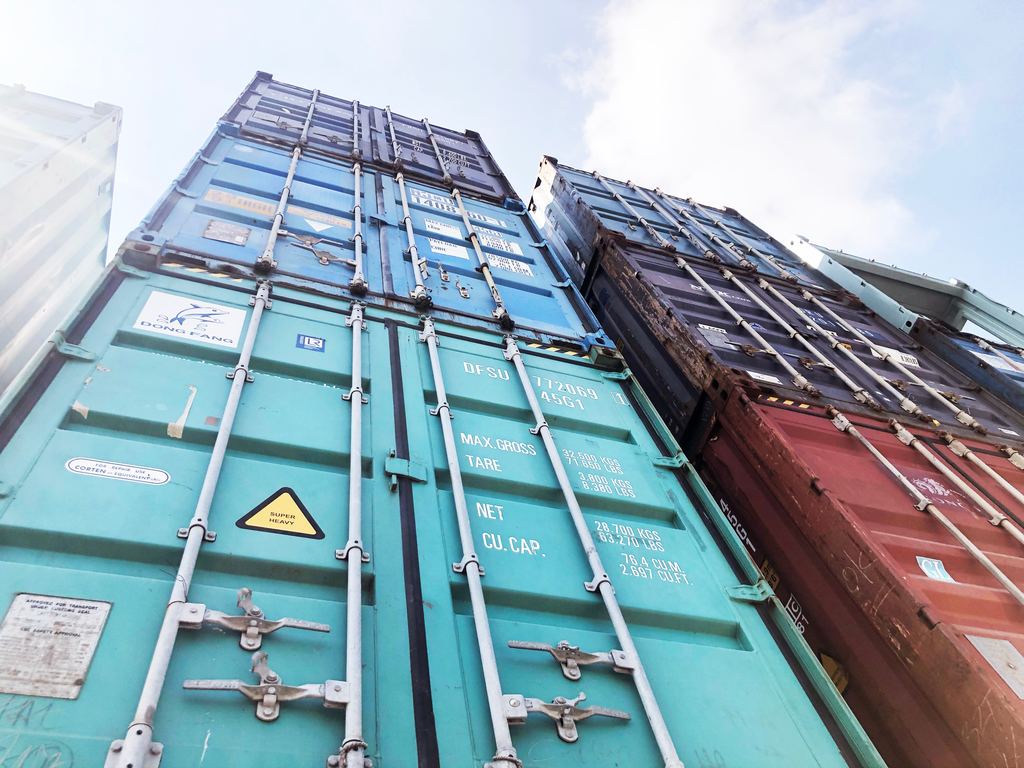
Container shipping is a crucial component of global logistics, connecting various industries and facilitating the movement of goods and materials worldwide. We specialize in container shipping services, catering to the unique requirements of military, commercial, and residential clients. With our range of new and used steel mobile watertight shelters, we ensure the safe and efficient transportation of cargo across different sectors.
1. Military Container Shipping:
Our container shipping services are designed to support military operations, offering reliable and secure solutions for transporting equipment, supplies, and personnel. We understand the specific needs of military clients, including the need for robust and durable containers. Our new and used steel mobile watertight shelters provide the necessary protection and stability, ensuring that military cargo reaches its destination safely, no matter the terrain or environment.
2. Commercial Container Shipping:
For commercial clients, container shipping plays a vital role in facilitating global trade and supply chain management. Whether you’re involved in manufacturing, retail, or distribution, our container shipping services offer efficient and cost-effective solutions for transporting goods. Our new and used steel mobile watertight shelters store on concrete construction staging areas are versatile and adaptable, allowing for easy loading, unloading, and seamless integration into your logistical operations.
3. Residential Container Shipping:
Container shipping has also found its way into the residential sector, providing unique opportunities for homeowners and individuals seeking alternative housing options. Our container shipping services cater to those looking to transport or repurpose containers for residential purposes. Whether you’re building a container home, a backyard office, or a creative living space, our new and used steel mobile watertight shelters provide a solid foundation for your residential projects.
4. Versatility and Reliability:
One of the key advantages of container shipping is the versatility and reliability it offers. Our new and used steel mobile watertight shelters are built to withstand the rigors of transportation and storage, ensuring the integrity of your cargo. These containers are designed to be stackable, making them highly space-efficient and suitable for various modes of transportation, including ships, trains, and trucks. Their standardized sizes and dimensions also facilitate easy handling and seamless integration into existing logistics systems.
5. Sustainability and Cost-Effectiveness:
Container shipping is not only efficient but also environmentally friendly. By repurposing and reusing shipping containers, we contribute to sustainable practices by reducing waste and minimizing the need for additional construction materials. Moreover, container shipping is a cost-effective solution compared to traditional cargo transportation methods, making it an attractive option for businesses and individuals alike.
Conclusion:
Container shipping serves as the backbone of global logistics, connecting military, commercial, and residential clients with efficient and reliable transportation solutions. We offer comprehensive container shipping services, leveraging our new and used steel mobile watertight shelters to meet the diverse needs of our clients. Whether you’re a military organization, a commercial enterprise, or an individual seeking a unique housing solution, our container shipping services provide the foundation for safe and efficient cargo transportation. Trust us to handle your container shipping needs, and experience the seamless and reliable service that sets us apart in the industry.